

Where to see the shoebill in uganda.
A memorable birding experience in Uganda
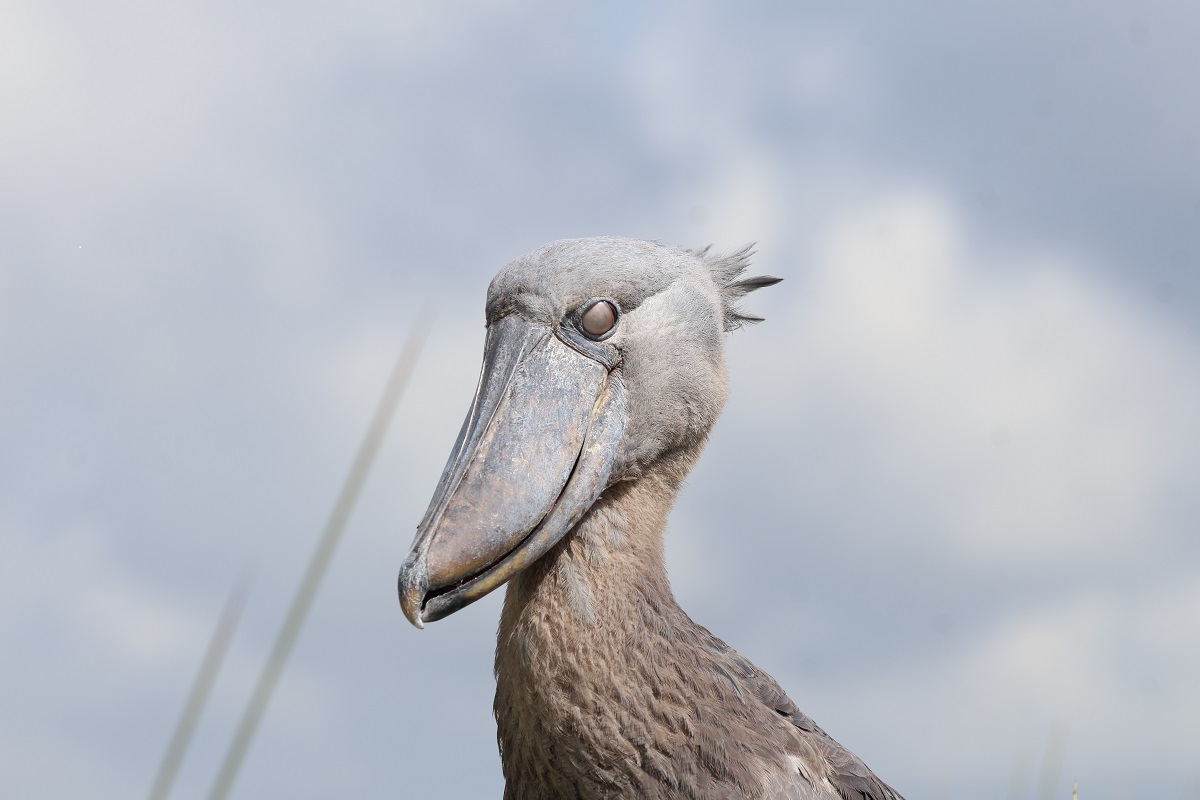
If you are wondering where to see the Shoebill in Uganda, Mabamba Swamp is one of the best places to begin. With its enormous shoe-shaped bill, tall body and prehistoric appearance, the Shoebill is one of Uganda’s most fascinating wetland birds. This remarkable bird can stand almost completely still for long periods, watching the water before making a sudden strike at its prey. For bird lovers visiting Uganda, seeing a Shoebill in the wild can be one of the most memorable experiences of a safari.

What is a Shoebill?
The Shoebill (Balaeniceps rex) is a large African wetland bird found mainly in freshwater swamps and marshes. Although it is sometimes called a Shoebill Stork, it is not actually a stork. Modern scientific understanding places the Shoebill closer to the pelican group. It can grow to around 1.5 meters tall and is instantly recognizable because of its enormous bill. This powerful bill is one of the bird’s most remarkable adaptations, allowing it to catch fish and other aquatic prey. The Shoebill is also known for its extraordinary patience. It may remain almost motionless for long periods before suddenly lunging forward to catch prey.
1: Where can you see the Shoebill in Uganda?
Mabamba Swamp– Mabamba wetland is widely regarded as one of the best places to see the Shoebill in Uganda. Located near Lake Victoria, west of Entebbe, this large papyrus wetland is relatively close to Kampala and Entebbe International Airport. Mabamba has become especially popular with birdwatchers because of its regular Shoebill sightings. A typical visit involves travelling through the wetland by canoe with a local boat guide, carefully searching among the papyrus channels and open areas of water. The canoe experience is part of the attraction. As you look for the Shoebill, you can also observe other wetland birds and experience one of Uganda’s important freshwater ecosystems. Although sightings are never guaranteed, Mabamba Swamp offers one of the most accessible and rewarding Shoebill-watching experiences in Uganda.
Murchison Falls Conservation Area – The wetlands and waterways around Murchison Falls Conservation Area also provide opportunities for birdwatching, including the possibility of encountering a Shoebill. A safari in this region allows you to combine birding with some of Uganda’s classic wildlife experiences. You may search for the Shoebill while also enjoying game drives, boat trips and views of the famous Murchison Falls. This makes the area a good choice for travellers who want to combine specialist birding with a traditional Uganda wildlife safari.
Other wetlands in Uganda – Shoebills depend on suitable freshwater wetland habitats, so sightings may also occur in other parts of Uganda where the right conditions remain. However, seeing a Shoebill in the wild should never be treated as guaranteed. These are wild birds, and their movements, feeding areas and visibility can change according to water levels, food availability and seasonal conditions. For the best chance of finding one, it is helpful to travel with a knowledgeable local birding guide who understands the wetland habitat and knows where recent sightings have occurred.
2:Why is the Shoebill so special?
The Shoebill is not just another large bird. It is a highly specialised wetland predator and one of Africa’s most distinctive species. Its enormous bill allows it to tackle prey such as fish, frogs, water snakes and other aquatic animals. Its unusual appearance, slow movements and intense hunting behaviour make it a favourite among birdwatchers and wildlife photographers. The Shoebill is also classified as Vulnerable, with wild populations facing pressures such as wetland habitat loss, disturbance and other human activities. Protecting Uganda’s wetlands is therefore extremely important—not only for Shoebills, but also for the many other species and communities that depend on these ecosystems.
3: What does a Shoebill eat?
Fish form an important part of the Shoebill’s diet, and the bird is particularly associated with hunting in shallow freshwater wetlands. It can also eat frogs, water snakes and other aquatic prey. Its hunting technique is fascinating to watch. The bird may remain completely still while carefully observing the water before making a rapid movement with its powerful bill. This patient behaviour is one reason bird photographers can spend a long time watching a Shoebill before capturing an unforgettable photograph. If you are interested in wildlife photography, seeing a Shoebill in Uganda can be incredibly rewarding. Its unusual shape, enormous bill and slow movements create excellent photographic opportunities. The best approach is to remain patient and allow the bird to behave naturally